Selected work
I study how digital and AI systems shape people’s lives—especially in the contexts of care and community—often in ways that were never intended, and rarely examined.
AI on the Margins of the Nonprofit Sector
A paper about how AI reaches the people who are often left out of the usual design playbook: immigrant-led nonprofits and community organizations doing essential work with slim resources.

This project looks at the quiet side of AI adoption: not glamorous start-up tools, but the systems that help nonprofits find funding, coordinate services, and support people in crisis. We explore what happens when these systems are built around the assumptions of formal, well-resourced organizations and ignore the realities of immigrant-led groups operating under time pressure, language barriers, and limited digital infrastructure.
It is a story about missed opportunities and real risks. The paper asks what it would take for AI systems to become more accountable, more humble, and more useful to the communities they are supposed to serve.
AMINA: the Agentic AI for Marginalized Immigrant Nonprofit Assistance
A more accountable AI system for marginalized immigrant nonprofits—built with the people it’s meant to support, not just for them.
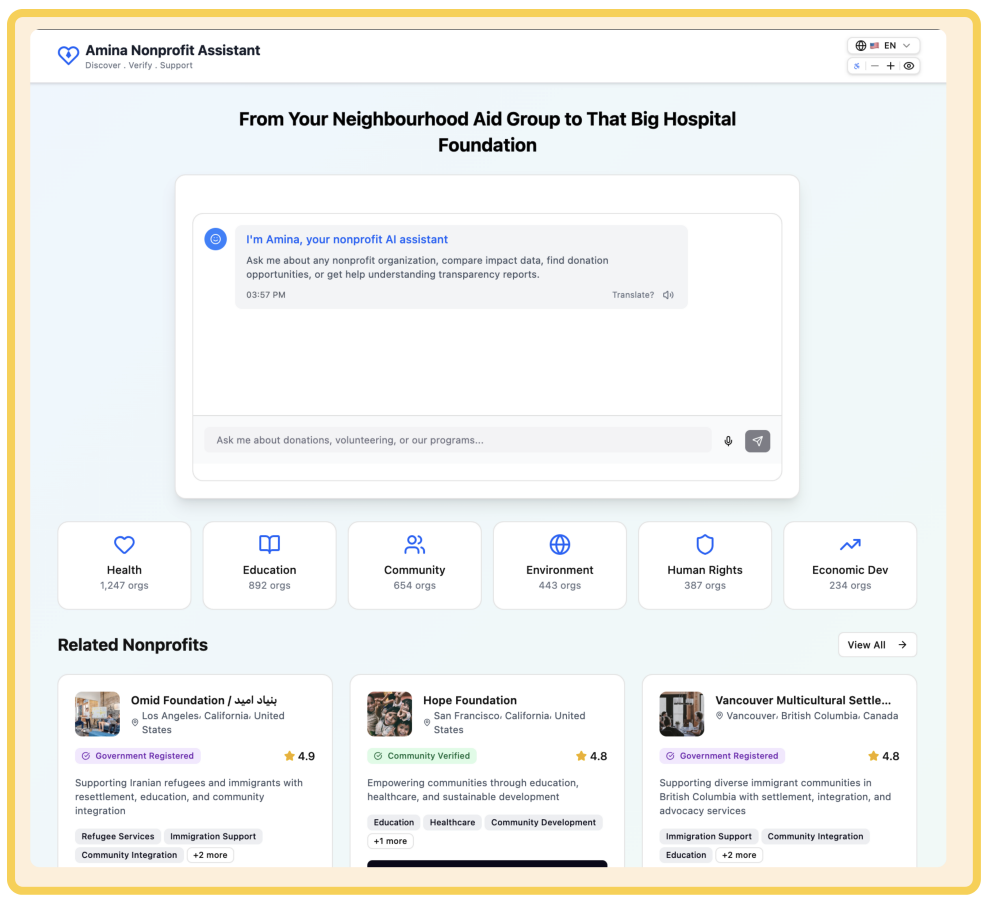
AMINA is a design response to a very specific problem: many immigrant-led nonprofits are shut out of AI and funding infrastructure because those tools assume a more polished, formal, and English-dominant organization. We built a system that treats community knowledge as part of the design, not as an add-on after the fact.
Instead of pretending the system knows best, AMINA makes uncertainty visible, invites correction, and supports multilingual, messy, real-world work. The goal is not just smarter technology, but a more respectful one.
Creating Caring Technologies: A Care-Ethical Framework for Nonprofit Technology Grounded in Survey of Tools, Scholarship, and Practice
A socio-technical look at the tools nonprofits actually use—and the care work they do that most technology still misses.
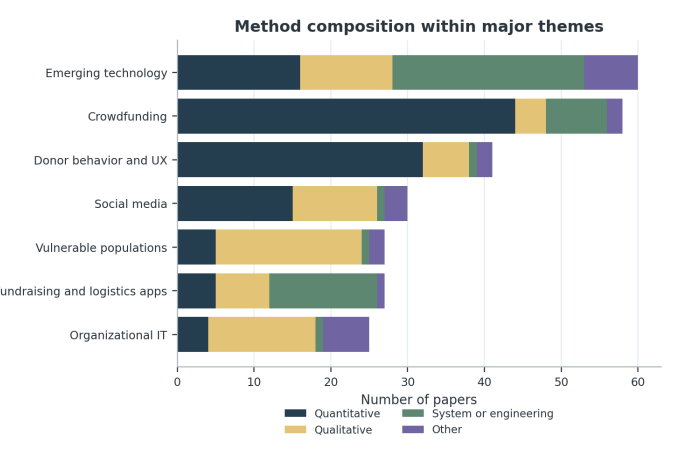
This work asks a surprisingly simple question: what kinds of digital tools do social-impact organizations actually need when they are caring for people, not just tracking metrics? We trace how nonprofits borrow, adapt, and repurpose technology in ways that are often invisible to formal design discourse.
What emerges is a richer picture of care work: not just dashboards and automation, but communication, trust-building, cultural translation, and quiet coordination across messy human systems. The project argues that technology becomes more valuable when it fits real caregiving practices rather than abstract productivity models.
A Dataset Development and Classification of COVID-19–Related Anti-Asian Tweets
A dataset built to trace COVID-19 anti-Asian online hostility—so the patterns behind the harm are visible and measurable.
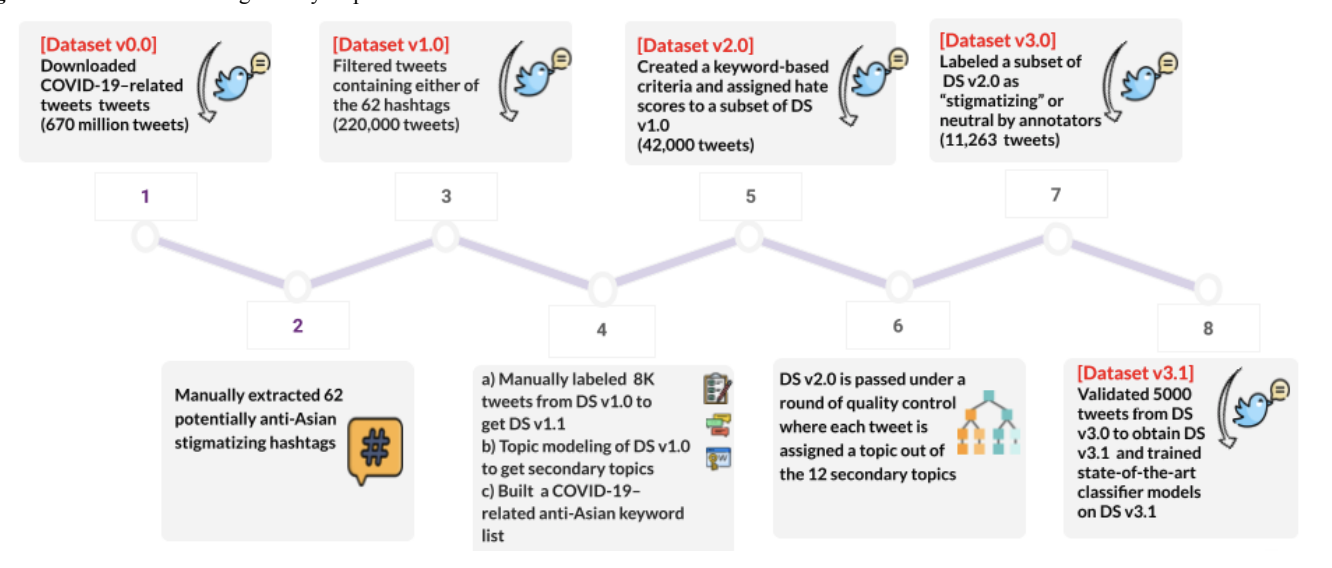
This project creates a structured dataset of COVID-19-related anti-Asian tweets to make online hate more legible and easier to study across time, topic, and sentiment. It is about surfacing patterns of hostility in a way that can support research, intervention, and public understanding.
The work sits at the intersection of social media analysis and public health communication: online abuse does not appear in a vacuum, and the data helps researchers see how racist narratives circulated during a global crisis.
How Meditation Helps Children with Disability to Use Brain-Computer Interfaces Better
A thesis on how meditation and mental rehearsal change brain signals—and why attention matters in the design of assistive systems.
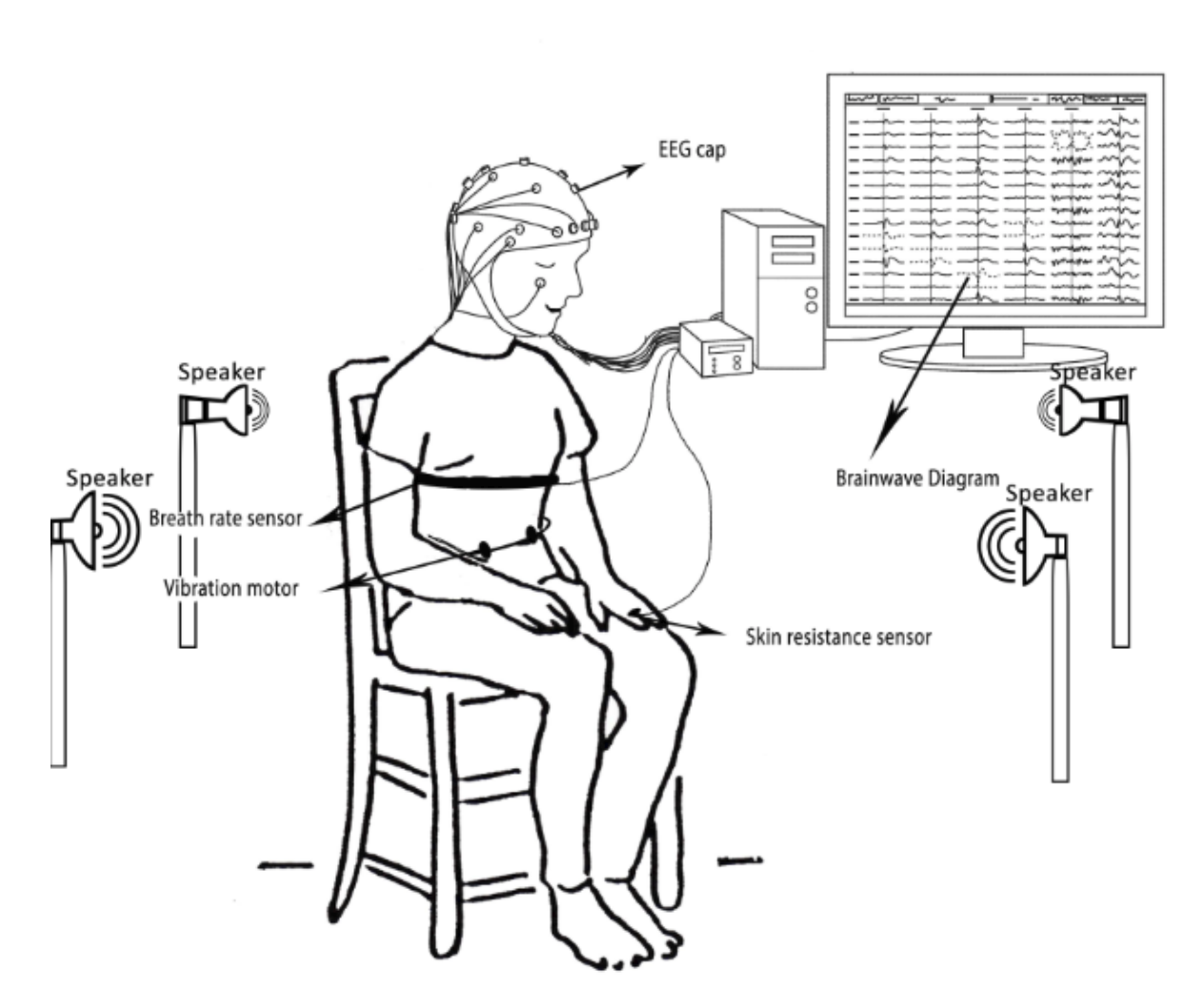
This thesis explores whether meditation and mental rehearsal can improve brain-computer interface performance in a pediatric setting. It begins with a deceptively simple question: if people can learn to regulate their attention, can that make a neurotechnology easier to control?
What follows is a blend of human signals, neurological measurement, and practical design insight. The project taught me that a system is never just about data—it is also about who can focus, adapt, and feel comfortable using it.